Episode 77
Atomic Hydrogen With Masahisa Miwa
In this episode of the Biohacker's Podcast, Teemu Arina speaks with Masahisa Miwa on atomic hydrogen inhalation, hydrogen goggles for the eyes and brain, device quality and the Japanese meaning of ikigai.
Check https://hololifesummit.com for upcoming events & tickets.
Devices, supplements, guides, books & quality online courses for supporting your health & performance: https://hololifecenter.com
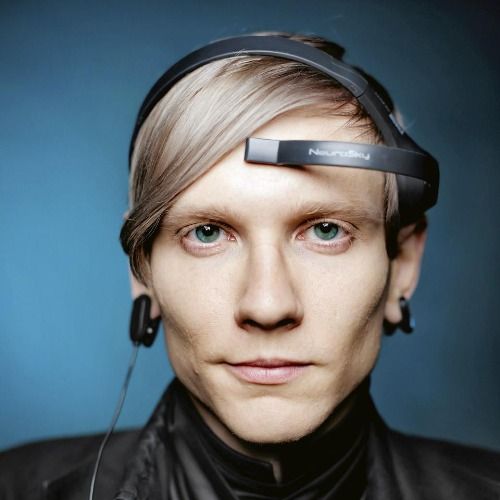
Masahisa Miwa, Vice President, Miwa Kankyo
Masahisa Miwa is an educator, entrepreneur and the vice president of Miwa Kankyo, the Japanese family company behind the My Mother HHO hydrogen inhaler. The company was founded by his mother, Yuko, who holds the device patent, and its hydrogen and oxygen inhalation systems are used in more than 200 clinics and wellness locations in Japan. He began his career in detoxification and rehabilitation programmes, later founded a language school in Japan, and has led the development of Japanese HHO inhalation systems since 2020. In this conversation he explains how the device and its goggles work, why the company talks about atomic rather than molecular hydrogen, and what it means to approach health through the Japanese idea of ikigai.
Website: https://www.miwakankyo.com
Instagram: @miwakankyo and @hanajimba
- Hydrogen is the smallest molecule in nature, which is why it is studied as an antioxidant that may reach tissues other compounds cannot, although most human evidence so far comes from small trials.
- Hydrogen and oxygen (HHO) inhalation devices deliver a mix of roughly two parts hydrogen to one part oxygen, which differs from breathing pure molecular hydrogen gas.
- Claims that atomic or nano-sized hydrogen outperforms molecular hydrogen rest mainly on manufacturer measurements and early research and still need independent, peer-reviewed confirmation.
- Selective neutralisation of the hydroxyl radical, one of the most damaging reactive oxygen species, is the most widely cited mechanism behind hydrogen's antioxidant effects.
- Eye and skin uses such as hydrogen goggles and hydrogen baths are an interesting area, but published human data on them remain limited.
- Protocols that mobilise heavy metals are best paired with binders and medical guidance, because mobilised metals can redistribute in the body before they are excreted.
- Hydrogen generators differ widely in electrode material, gas output and safety engineering, so device quality matters as much as the idea itself.
- Hydrogen is a flammable gas, which makes documented safety testing an important criterion when choosing a device.
- The effects on autoimmune disease, autism and scars mentioned in the conversation are preliminary or anecdotal and should not replace medical diagnosis or treatment.
- Lasting health habits, like the Japanese idea of ikigai, grow from a sense of purpose and daily craftsmanship rather than from quick fixes.
00:00 - Cold Open
00:32 - Welcome
01:44 - Why Breathe Hydrogen?
03:23 - Goggles, Eyes and the Brain
05:11 - The Family Business Behind My Mother
06:33 - Atomic vs. Molecular Hydrogen
11:15 - Use Cases: From Jet Lag to Recovery
12:05 - Eye Recovery in National Volleyball
14:37 - Lymphatic Flow and the Cranium
16:58 - How Much Is Too Much?
18:18 - Biomarkers and Heavy Metals
22:42 - Hydrogen Baths, Skin and Hair
26:02 - Energy, Mitochondria and ATP
27:09 - Cheap Hydrogen Bottles vs. Medical Devices
32:00 - Inside the Machine
34:27 - Inflammation and Immunity
37:14 - Wound Healing and Gut Health
42:00 - Children's Health
45:08 - Why Japan Takes Hydrogen Seriously
46:09 - Dr. Emoto and the Structure of Water
49:01 - Meet Miwa at HOLOLIFE Summit
49:20 - Why "My Mother"?
50:27 - Durability and Maintenance
53:19 - The Japanese Meaning of Ikigai
58:10 - Closing