Episode 81
Peakspan Is the New Healthspan With Eduard de Wilde
In this episode of the Biohacker's Podcast, Teemu Arina speaks with Eduard de Wilde on peakspan, the idea of extending the years you can keep doing what you love, how he healed from a medication-induced anxiety disorder through lifestyle, the 20/80 rule and five dials of his book More Good Years, and why trends in your data matter more than single numbers.
Check https://hololifesummit.com for upcoming events & tickets.
Devices, supplements, guides, books & quality online courses for supporting your health & performance: https://hololifecenter.com
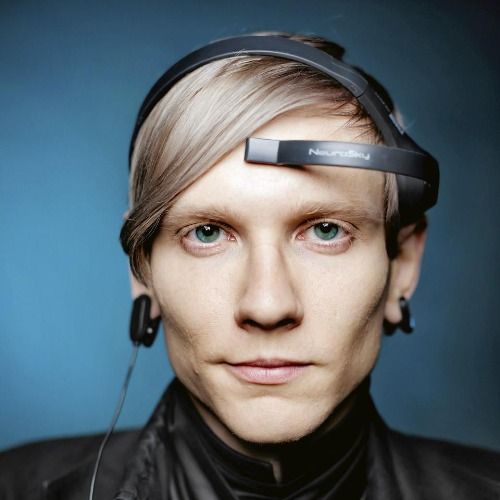
Eduard de Wilde, author of More Good Years and founder of LiveHelfi and NoordCode
Eduard de Wilde is a Dutch entrepreneur, biohacker and Certified Bulletproof Coach. After the antimalarial Lariam left him with a severe panic and anxiety disorder in 1999, he rebuilt his health through lifestyle and has spent the past two decades bringing biohacking to a wider audience. He founded LiveHelfi, one of Europe's largest biohacking webshops, and the supplement and functional food brand NoordCode, and is also behind a coach training school for health optimization professionals. His book More Good Years is about peakspan: keeping the things you love in your life for as long as possible. He gives a keynote on the book at HOLOLIFE Summit in Amsterdam on 14 and 15 November 2026.
Website: https://www.dewilde.com
Instagram: @eduarddewilde
- Peakspan shifts the goal from adding years to extending the period in which you can still do the things you love.
- Many people say they care less about when they die than about staying able to enjoy their favourite activities, which makes function a more motivating target than lifespan alone.
- A 20/80 approach focuses on the few basics that deliver most of the benefit, while advanced protocols remain optional for enthusiasts.
- Regular bedtimes and a stable circadian rhythm are a foundation that supports energy, mood and recovery.
- Strength training, intervals, cardio and especially mobility help counter age-related muscle loss and keep everyday movement possible later in life.
- Cooking whole foods, limiting ultra-processed products and avoiding large glucose swings covers much of what good nutrition requires, and Mediterranean-style eating has broad research support.
- A system of default habits with room for occasional indulgence tends to be more sustainable than strict perfectionism, which often ends in rebound.
- Mental wellbeing and relationships matter alongside the body, from stress regulation to handling difficult people and deeper emotional work.
- Health data is most useful when you follow long-term trends such as heart rate variability rather than reacting to single readings, and it should support rather than override how you feel.
- Small, consistent habits woven into ordinary days, such as taking the stairs instead of the escalator, compound over decades into more good years.
00:00 - Cold Open
00:56 - Meet Eduard de Wilde
02:12 - Lifespan, healthspan and peakspan
03:41 - Lariam, Cameroon and a panic disorder
05:45 - The psychiatrist's verdict
06:13 - Healing through lifestyle
08:56 - The 20/80 rule
10:07 - Biohacking for non-biohackers
13:33 - How peakspan differs from healthspan
15:17 - Joyspan and reframing wellness
16:50 - The five dials of More Good Years
18:25 - Biohacking 3.0: three layers of the mind
20:41 - Hacking the ego
21:55 - Nutrition tests and the nocebo effect
25:32 - A system of habits beats perfection
27:03 - Sleep, movement, mobility and nutrition
29:41 - Biohacking built into daily life
33:44 - What makes people take charge of their health
35:19 - His mother, the original biohacker
38:41 - Technology that simulates nature
39:48 - Infrared, HeartMath and HRV trends
42:23 - The tests worth doing
46:07 - When to overrule your data
48:24 - Informed consumers and the medical system
52:10 - Where to find the book and products
Transcript
Eduard de Wilde: The final verdict of the psychiatrist was, "Okay, your brain is damaged and it
Speaker:Eduard de Wilde: will not improve. You just have to learn to live with it." She is,
Speaker:Eduard de Wilde: in my opinion, the original biohacker.
Speaker:Eduard de Wilde: She's 90 years old. She doesn't take any medicines.
Speaker:Eduard de Wilde: And already 10 years ago, she told me that every day she wanted her
Speaker:Eduard de Wilde: heart rate up till maximum at least, you know, once per day.
Speaker:Eduard de Wilde: And she never heard about high intensity interval training.
Speaker:Eduard de Wilde: I don't care about when I die, I just want to keep the things
Speaker:Eduard de Wilde: I love to do as long as possible.
Teemu Arina:Welcome to Biohacker's Podcast. My name is Teemu Arina, and my guest today is
Teemu Arina:Eduard de Wilde. He is someone who has been coming to Biohacker Summit and
Teemu Arina:HOLOLIFE Summit as long as I remember.
Teemu Arina:And he is behind two biohacking e-commerce brands.
Teemu Arina:One of them is called LiveHelfi, which is one of the largest biohacking-related online
Teemu Arina:stores in Europe, and also of NoordCode, which is, I would say, one of
Teemu Arina:the cleanest product lines when it comes to anything you need from coffee to
Teemu Arina:MCT oil to supplements and I think he has really great formulations as well.
Teemu Arina:But he has now finally put everything he has learned into a book.
Teemu Arina:Welcome to the show, Eduard.
Teemu Arina:Eduard de Wilde: Thank you. And I have to add one other company, and that's, it was
Teemu Arina:Eduard de Wilde: used to be the School of Biohacking, but we renamed it the Syntony Institute.
Teemu Arina:Eduard de Wilde: That is led by Dr. Mark Atkinson, and that's for people who want to
Teemu Arina:Eduard de Wilde: become a health optimization coach. It's the destination.
Teemu Arina:Eduard de Wilde: So, that's the third one.
Teemu Arina:You have also background of becoming a Bulletproof coach, so far as I remember,
Teemu Arina:and you've been experimenting on yourself quite a bit.
Teemu Arina:What is the name of your new book? Like, what is it covering?
Teemu Arina:Eduard de Wilde: It's More Good Years. And, and that's all about, you know, you have lifespan,
Teemu Arina:Eduard de Wilde: you have healthspan, and you have peakspan.
Teemu Arina:Eduard de Wilde: And the book is about peakspan. So how can you extend the period in
Teemu Arina:Eduard de Wilde: your life that you can still enjoy the things that you love to do?
Teemu Arina:Eduard de Wilde: That's the whole idea.
Teemu Arina:I think the idea of living as long as possible is a little bit
Teemu Arina:flawed, because most people, I think, they don't really necessarily dream of living
Teemu Arina:200 years or 300 years, but what they want is a joyful life where
Teemu Arina:they can enjoy their Body and mind as long as possible.
Teemu Arina:And when it comes to degenerative diseases, people spend on average 13% of their
Teemu Arina:life with illness. These degenerative diseases, age-related diseases, so the older we become, the
Teemu Arina:more we need to deal with certain issues.
Teemu Arina:And if you're lucky, you, like you once said to me, your dream is
Teemu Arina:to die with boots on, and to have all these healthy years, of course,
Teemu Arina:contributes and translates to productivity, getting things done, and also to enjoy
Teemu Arina:the work that you do. Having said that, of course, anyone can get some
Teemu Arina:illness or issue at any point. You have also experienced something in your life
Teemu Arina:that maybe triggered you to get into this path.
Teemu Arina:Can you, like, just speak a little bit about that, what took you to
Teemu Arina:this path of health optimization?
Teemu Arina:Eduard de Wilde: Yeah, that was in 1999, and the picture is here, you know, in the
Teemu Arina:Eduard de Wilde: background, and you can see me there with my friends in Cameroon in the
Teemu Arina:Eduard de Wilde: rainforest. We were there deep into the rainforest and looking for gorillas, and I
Teemu Arina:Eduard de Wilde: had to take Lariam as a prophylaxis for malaria, and you can get quite
Teemu Arina:Eduard de Wilde: a few side effects of that medicine, and one of the worst I got,
Teemu Arina:Eduard de Wilde: and that was a severe panic and anxiety disorder.
Teemu Arina:Eduard de Wilde: So, when I entered the rainforest with a Cessna in the back of the
Teemu Arina:Eduard de Wilde: Cessna, there was no issue at all, and then when I came back, I
Teemu Arina:Eduard de Wilde: even didn't dare to go in a Boeing 747 because I thought I would
Teemu Arina:Eduard de Wilde: die on the spot. So, that was quite heavy.
Teemu Arina:Eduard de Wilde: And it was so heavy that I couldn't perform, you know, even at work.
Teemu Arina:Eduard de Wilde: So the, I became a partner in a consultancy company in 2000, so that
Teemu Arina:Eduard de Wilde: was a few months later, and, you know, you had the dot-com crash, so
Teemu Arina:Eduard de Wilde: everything was quite troublesome at that specific moment, and it was very, very hard
Teemu Arina:Eduard de Wilde: for me to perform because I had, you know, an iron band around my
Teemu Arina:Eduard de Wilde: head. It was very tight, so it was exhausting to work, to be in
Teemu Arina:Eduard de Wilde: meetings, and so it was kind of 2 hours working and 6 hours resting
Teemu Arina:Eduard de Wilde: from it, and in the beginning, all the medical doctors, they told me, "Okay,
Teemu Arina:Eduard de Wilde: you have a burnout, so you should get a burnout treatment." And I started,
Teemu Arina:Eduard de Wilde: you know, following that advice, and it didn't work because I had a lot
Teemu Arina:Eduard de Wilde: of energy, but it was the panic and the anxiety that was causing the
Teemu Arina:Eduard de Wilde: issue. So after a year, I saw no results at all, and then I
Teemu Arina:Eduard de Wilde: met a lady when I was horse riding, and she asked me, "Okay, what
Teemu Arina:Eduard de Wilde: did you take?" And I told her, you know, I went to the rainforest,
Teemu Arina:Eduard de Wilde: Lariam, and she said, "Okay, then that is the issue." And then everything became
Teemu Arina:Eduard de Wilde: clear that I was following the wrong treatment.
Teemu Arina:Eduard de Wilde: And then I started all kind of experiments with you name it.
Teemu Arina:Eduard de Wilde: And the therapy I tried for six years, but it didn't work as well.
Teemu Arina:Eduard de Wilde: So then the final verdict of the psychiatrist was, "Okay, your brain is damaged
Teemu Arina:Eduard de Wilde: and it will not improve. You just have to learn to live with it."
Teemu Arina:Eduard de Wilde: And at that age, that is not, you know, a future that you want.
Teemu Arina:Eduard de Wilde: So then I decided just to take care of myself and to look for
Teemu Arina:Eduard de Wilde: other possibilities. And it was, in fact, Mark Sisson that led me on that
Teemu Arina:Eduard de Wilde: path of biohacking. He wrote the book Primal Blueprint, and it's still, you know,
Teemu Arina:Eduard de Wilde: on my shelf. And I implemented everything that he talked about.
Teemu Arina:Eduard de Wilde: You know, the whole diet, the movement, you know, stress management, et cetera, et
Teemu Arina:Eduard de Wilde: cetera. And then gradually, within a few years, it was amazing what the effect
Teemu Arina:Eduard de Wilde: was. So I got more energy. I lost a lot of weight, and at
Teemu Arina:Eduard de Wilde: a specific moment I thought, "Okay, I don't have panic attacks anymore.
Teemu Arina:Eduard de Wilde: I don't have that anxiety anymore." So I, I healed my, myself just following
Teemu Arina:Eduard de Wilde: the right lifestyle.
Teemu Arina:That's quite paradoxical that you took a
Teemu Arina:medicine with the idea of preventing a disease, and then you got on this
Teemu Arina:roller coaster ride that could have taken your life.
Teemu Arina:Now, having said that, yeah, Lariam is terrible.
Teemu Arina:And luckily, medicine has moved on, and there's safer alternatives for these kind of
Teemu Arina:things. But I think the other perspective, which comes from also from, you mentioned
Teemu Arina:Mark Sisson, and I haven't heard the paleo diet for a while.
Teemu Arina:I think it's kind of, like, out of fashion in some way, just like
Teemu Arina:ketogenic, yep, diet is.
Teemu Arina:It's not dying, but it's not so trendy anymore.
Teemu Arina:The diets come and go, but one of the things that these guys, him
Teemu Arina:and many others during that period, wrote about was, they were looking at studies,
Teemu Arina:they were looking at what these ingredients are doing, and then translating those to
Teemu Arina:preventive strategies. And by implementing a preventive health optimization strategy
Teemu Arina:from a dietary perspective, now your ailment went away.
Teemu Arina:I had the same experience with my own challenges I had with an ulcer
Teemu Arina:that I healed, but I also healed many other things, like allergies pretty much
Teemu Arina:disappeared, that I thought are just genetic and part of me.
Teemu Arina:Did you notice anything else improving when you did those lifestyle changes besides
Teemu Arina:suddenly not being Depressed?
Teemu Arina:Eduard de Wilde: Yeah, it's mainly my energy and and how you show up in life.
Teemu Arina:Eduard de Wilde: And so that was the thing I was most excited about.
Teemu Arina:Eduard de Wilde: I thought, okay, I healed myself, but in fact I'm a different person than
Teemu Arina:Eduard de Wilde: I was 15 years ago. And I experienced more energy, you know, better cognitive
Teemu Arina:Eduard de Wilde: performance, so my overall well-being increased immensely, and that made me so
Teemu Arina:Eduard de Wilde: enthusiastic about this whole thing, the lifestyle, the biohacking movement, that I thought,
Teemu Arina:Eduard de Wilde: okay, this is so interesting. I want to spread the word.
Teemu Arina:Eduard de Wilde: I want to let other people benefit from my experiences and see if I
Teemu Arina:Eduard de Wilde: can inspire some people to follow those same principles and to feel, you know,
Teemu Arina:Eduard de Wilde: those effects themselves, because that would be very cool if society can just, with
Teemu Arina:Eduard de Wilde: those simple rules that you can apply, and that's what I call, you know,
Teemu Arina:Eduard de Wilde: in my book, the 20/80 rule. I'm a fan of the 20/80 principle, is
Teemu Arina:Eduard de Wilde: that when you just focus on those 20%, then you get 80% of the
Teemu Arina:Eduard de Wilde: of the benefits. And then the other 20%, that's for the hardcore biohackers, if
Teemu Arina:Eduard de Wilde: they want to do those real experiments and, you know, the hardcore nitty-gritty Bryan
Teemu Arina:Eduard de Wilde: Johnson kind of things, you know, and all kind of anti-aging supplements, then you
Teemu Arina:Eduard de Wilde: are welcome. But for most people, just focusing on the 20% is already so
Teemu Arina:Eduard de Wilde: beneficial that they can improve their life and how they show up in a
Teemu Arina:Eduard de Wilde: very simple way. And that's also, you know, the whole goal of me writing
Teemu Arina:Eduard de Wilde: the book More Good Years is that I want to make the biohacking principles
Teemu Arina:Eduard de Wilde: accessible for non-biohackers.
Teemu Arina:Eduard de Wilde: Because you if if you look at the scene and, you know, the big
Teemu Arina:Eduard de Wilde: names that are out there and that get a lot of attraction and a
Teemu Arina:Eduard de Wilde: lot of views, I discovered that a lot of people think, "Okay, that biohacking,
Teemu Arina:Eduard de Wilde: that's for the nerds, you know, that's for the adventurous people who do that
Teemu Arina:Eduard de Wilde: in the gray zone doing dangerous things, and that's not for me." I, so
Teemu Arina:Eduard de Wilde: I don't want to be a biohacker. But in my opinion, that's not what
Teemu Arina:Eduard de Wilde: biohacking is about. And for me, biohacking is about personalizing your lifestyle
Teemu Arina:Eduard de Wilde: based on data so that you can create that best version of yourself.
Teemu Arina:Eduard de Wilde: And I think that a lot of people can benefit from it that that
Teemu Arina:Eduard de Wilde: now, you know, get a little bit offended by that whole biohacking word.
Teemu Arina:Yeah, I agree. And that's also why we are on the same boat, me
Teemu Arina:renaming Biohacker Summit with HOLOLIFE Summit and also moving away from the word biohacking.
Teemu Arina:I think it served its role, but I think, like, we have a lot
Teemu Arina:of that happening right now with, I mean, health optimization as a term picking
Teemu Arina:up also. Like, people need, like, terminology that is more understandable.
Teemu Arina:Now, you have brought to the table the term peakspan with your
Teemu Arina:book, moving away from healthspan. Why I didn't like healthspan when I was thinking
Teemu Arina:about renaming or what word to use instead of biohacking, I also looked into
Teemu Arina:healthspan. Health as a word is immediately in people's minds associated with
Teemu Arina:disease and healthcare.
Teemu Arina:And, of course, we want peak health.
Teemu Arina:But that can also be misunderstood, what this is all about, because the healthcare
Teemu Arina:system is a sick care system. And if you are trying to, paradoxically, if
Teemu Arina:you try to improve health, then the question is, like, what is wrong with
Teemu Arina:you? And the same is, I think, with Bryan Johnson's Don't Die movement.
Teemu Arina:So, if you focus on dying, that's not a positive message.
Teemu Arina:It relates to inevitable death.
Teemu Arina:And I like the idea, of course, that we will be the first generation
Teemu Arina:that sees aging and death as a treatable condition.
Teemu Arina:But, for some reason, I have this feeling that most people, they don't want
Teemu Arina:to go to the extremes with these things.
Teemu Arina:And the 20/80 is key here because the point is not to do 100%
Teemu Arina:things perfectly, like 100% perfect sleep score, but to have at least
Teemu Arina:something that you do is better than not doing anything.
Teemu Arina:And in a typical day, if you find some space for wellness, that probably
Teemu Arina:will prevent you over time from illness.
Teemu Arina:And the practices then, in terms of improving your health, they become ordinary
Teemu Arina:daily activities. So that's why I kind of I didn't want to use health
Teemu Arina:optimization or healthspan as the term.
Teemu Arina:So I just picked up HOLOLIFE, that you build a whole or complete life.
Teemu Arina:Now peakspan to me sounds very performance-driven, that you want
Teemu Arina:Eduard de Wilde: Yeah.
Teemu Arina:like basically, like peak health, peak productivity, and maybe peak experiences also, which
Teemu Arina:is, I mean, climactic, right? But the problem with peak is that there's always
Teemu Arina:a way down. Now can you talk about a little bit about about that,
Teemu Arina:like, how is peakspan different from healthspan, and how do you?
Teemu Arina:Yeah.
Teemu Arina:Eduard de Wilde: Yeah, the, the, the thing is with, with healthspan, you still degrade over time.
Teemu Arina:Eduard de Wilde: So you can avoid the major lifestyle-related diseases with, you know, an optimized lifestyle,
Teemu Arina:Eduard de Wilde: but still you degrade over time. And the whole idea behind peakspan, and I
Teemu Arina:Eduard de Wilde: didn't come up with that word myself. I read about it in, in spring.
Teemu Arina:Eduard de Wilde: There was an article written about it, and then I was inspired by it,
Teemu Arina:Eduard de Wilde: because peakspan is all about how can you extend the period that you can
Teemu Arina:Eduard de Wilde: still do the activities that you like, what you're doing now?
Teemu Arina:Eduard de Wilde: And I, I agree with your explanation of what peakspan sounds like.
Teemu Arina:Eduard de Wilde: And I kind of rebranded that peakspan idea to keep doing the things you
Teemu Arina:Eduard de Wilde: enjoy. And for me that means playing in the band, playing saxophone, or playing
Teemu Arina:Eduard de Wilde: golf till I'm whatever age old, hiking, you know, and showing up at my
Teemu Arina:Eduard de Wilde: work, still being able to lead the companies.
Teemu Arina:Eduard de Wilde: That's how I frame peakspan.
Teemu Arina:Eduard de Wilde: And yeah, and indeed, for athletes, it can mean, you know, to compete as
Teemu Arina:Eduard de Wilde: long as possible at the highest level, but for ordinary people, it's just about,
Teemu Arina:Eduard de Wilde: okay, you are now at the age that you enjoy life, and make sure
Teemu Arina:Eduard de Wilde: that you can do it as long as possible. And we did a lot
Teemu Arina:Eduard de Wilde: of research, and I also agree with your idea that people, you know, are
Teemu Arina:Eduard de Wilde: not thinking about not dying.
Teemu Arina:Eduard de Wilde: We did a lot of research with our customers of NoordCode, and, and almost
Teemu Arina:Eduard de Wilde: 100% came back with the idea, I don't care about when I die, I
Teemu Arina:Eduard de Wilde: just want to keep the things I love to do as long as possible.
Teemu Arina:Eduard de Wilde: That's the whole thing, you know, when you want to stay happy in life.
Teemu Arina:Yeah, I, I'm going to coin a new term now, which describes what you're
Teemu Arina:talking about. It's kind of like joyspan.
Teemu Arina:Yeah. No, it's like that. But the problem with words is that I mean,
Teemu Arina:if I say joyspan, then you need to start explaining what it is about,
Teemu Arina:and yeah, we still kind of associate words with different things, but it's definitely
Teemu Arina:better than hacking. How do you like precisely describe something which is taking
Teemu Arina:health to a new direction? Because I feel that we need to reframe the
Teemu Arina:conversation of health. Now, we operate within the wellness industry, and wellness also has
Teemu Arina:a very loaded package of associations, which is mainly, I would say, when I
Teemu Arina:travel in hotels and all the wellness spa areas and so on, it sounds
Teemu Arina:like relaxation, sounds like chilling out, taking it easy, while biohackers are of course
Teemu Arina:trying to perform at the peak and get the stuff done physically, mentally, in
Teemu Arina:terms of their business, so that, you know, the hours in the day.
Teemu Arina:But also, I would say, what is key here is not only efficiency, it's
Teemu Arina:more about effectiveness also, so that you do the minimum for the maximum
Teemu Arina:results. So that shortcut idea is what I like in biohacking.
Teemu Arina:I read the book by Tim Ferriss early on, and I, that influenced my
Teemu Arina:Thinking quite a bit, that how can you hack or cheat 10,000 hours spent
Teemu Arina:on something to learn. And I think, yeah.
Teemu Arina:Eduard de Wilde: The 4-Hour Workweek, that's it inspired me as well.
Teemu Arina:Eduard de Wilde: So, that was, I think, in 2007 or so that he published that book.
Teemu Arina:Eduard de Wilde: But indeed, I agree that's also the basis for the 20/80 rule, I think,
Teemu Arina:Eduard de Wilde: to be as effective as possible with the minimum effort.
Teemu Arina:Eduard de Wilde: But also, if you look at enjoying life, then I have the five dials
Teemu Arina:Eduard de Wilde: in the book, and the five dials are sleep, and nutrition, and movement, and
Teemu Arina:Eduard de Wilde: that's, you know, that's very basic, and, you know, there was no discussion about
Teemu Arina:Eduard de Wilde: those. But then you can create the machine with it, so you can optimize
Teemu Arina:Eduard de Wilde: your body and, you know, be in a physically optimized state.
Teemu Arina:Eduard de Wilde: But that doesn't mean that you enjoy life.
Teemu Arina:Eduard de Wilde: And that's why I chose to add the four and the fifth dial to
Teemu Arina:Eduard de Wilde: be the mind and connections. And I learned in my journey in the past
Teemu Arina:Eduard de Wilde: years that, you know, when I show up very energetically, but still struggling with
Teemu Arina:Eduard de Wilde: mental things, that I still don't enjoy life.
Teemu Arina:Eduard de Wilde: And I spend a lot of effort dealing on, for example, with traumas.
Teemu Arina:Eduard de Wilde: And I did the 40 Years of Zen, and that was an amazing experience,
Teemu Arina:Eduard de Wilde: and very interesting to see what kind of effect it has when you do
Teemu Arina:Eduard de Wilde: that kind of, I, I call it a, a treatment, five, five days of,
Teemu Arina:Eduard de Wilde: you know, very intense neurofeedback training and forgiving people that have done something to
Teemu Arina:Eduard de Wilde: you, is that you become more relaxed and that you become less offended when
Teemu Arina:Eduard de Wilde: something happens. And a few weeks ago, I went to Austria to do a
Teemu Arina:Eduard de Wilde: plant medicine retreat, and it has the same effect.
Teemu Arina:Eduard de Wilde: So, together with Dr. Mark, I created and I presented it on the HOLOLIFE
Teemu Arina:Eduard de Wilde: Summit last year, the Biohacking 3.0, is that, you know, there are three layers
Teemu Arina:Eduard de Wilde: of how you deal with with your mind.
Teemu Arina:Eduard de Wilde: The one, you know, the first layer is, of course, how do you deal
Teemu Arina:Eduard de Wilde: with stress? Can you regulate your stress?
Teemu Arina:Eduard de Wilde: Can you increase your HRV? Can you become calm when you are stressed?
Teemu Arina:Eduard de Wilde: Do you have the right breathing techniques? Those kind of things, it's more ego-centered.
Teemu Arina:Eduard de Wilde: And then the next level is how do you deal with people that offend
Teemu Arina:Eduard de Wilde: you, circumstances that you are in. It's all about your, you know, your book
Teemu Arina:Eduard de Wilde: The Resilient Being, of course. And, you know, a lot of things happen in
Teemu Arina:Eduard de Wilde: life, and there are a lot of nasty people, you know, you have customers
Teemu Arina:Eduard de Wilde: complaining, you have business partners betraying you, you have all those things that are
Teemu Arina:Eduard de Wilde: happening in your life, and how can you deal with those?
Teemu Arina:Eduard de Wilde: And then if you are able to regulate yourself and to deal with others
Teemu Arina:Eduard de Wilde: and circumstances, then it could be enough for people to have a very happy
Teemu Arina:Eduard de Wilde: life, but most of the people, they still hit a wall.
Teemu Arina:Eduard de Wilde: And that's also what happened to me. And then you Come in that third
Teemu Arina:Eduard de Wilde: level of, you know, shadow work and trauma work, and I think it's extremely
Teemu Arina:Eduard de Wilde: powerful for everybody to work also on that third level, because it can make
Teemu Arina:Eduard de Wilde: a huge difference, because, you know, in the course of your life, things happen,
Teemu Arina:Eduard de Wilde: your ego will help you to protect yourself.
Teemu Arina:Eduard de Wilde: And then still, you know, when you are 60, you can still behave like
Teemu Arina:Eduard de Wilde: a child because of that ego that is triggering, is triggered.
Teemu Arina:Eduard de Wilde: And those neurofeedback training and plant medicine treatments, they they can help you to
Teemu Arina:Eduard de Wilde: to break down that ego, to go into yourself, and to solve the things
Teemu Arina:Eduard de Wilde: that are still there, that are, you know, captured in inside yourself, and release
Teemu Arina:Eduard de Wilde: them, so that you can become more, you know, living from your true self
Teemu Arina:Eduard de Wilde: than by the ego that has built up to protect you.
Teemu Arina:Eduard de Wilde: And I think it's, I would advise everybody to work on that part as
Teemu Arina:Eduard de Wilde: well.
Teemu Arina:For sure. Yeah. The the whole thing that I I've been speaking since our
Teemu Arina:last Biohacker Summit in Amsterdam, 2023, 2022, I spoke quite a bit about hack
Teemu Arina:the ego. And the way I see it is that people often, when they
Teemu Arina:get on a health or self-optimization path, is that they try to be something
Teemu Arina:that they are not, and that grows like a certain kind of distance to
Teemu Arina:who they are and who they aspire to be, which is a noble and
Teemu Arina:absolutely supportable goal.
Teemu Arina:But I think where it gets problematic is when this imposter syndrome or
Teemu Arina:the so you start to feel less, you like you're promoting health practices,
Teemu Arina:but you're not living the way. You're not walking the talk.
Teemu Arina:Or you are in a way working from your traumas of being bullied or
Teemu Arina:other people not approving you or liking your appearance.
Teemu Arina:So body dysmorphia is a huge issue leading in some cases to anorexia, where
Teemu Arina:people become extreme in their dietary practices, which in some way, I would say,
Teemu Arina:there's quite a bit of biohackers that who probably have like some sort of
Teemu Arina:eating disorder and delusional thinking when it comes to the food that they eat.
Teemu Arina:Having said that, at the same time, it is absolutely necessary for the change
Teemu Arina:of your behavior to start becoming a little bit more mindful about what you
Teemu Arina:eat. And one thing I've noticed working on people's laboratory tests, so we built
Teemu Arina:a nutrition test that is also available from LiveHelfi that, you know, informs you
Teemu Arina:which supplements and foods you maybe want to take, is that psychology plays a
Teemu Arina:huge role because people often explain away why they behave in a
Teemu Arina:certain way or why they eat what they eat, and a lot of people
Teemu Arina:also have struggle with eating and it's a source of stress and anxiety.
Teemu Arina:And and some people, you know, maybe they even have, you could say, call
Teemu Arina:that a nocebo effect. So, placebo is where you believe something works and then
Teemu Arina:it has a physiological effect. Now, nocebo is where you believe something is harmful
Teemu Arina:to you and if you eat even a little bit, you get an immediate
Teemu Arina:reaction, and there's actually like a physiological response.
Teemu Arina:So, if you think something is poison, let's say seed oils, then you get
Teemu Arina:a very drastic reaction if you know that your food might have seed oils
Teemu Arina:in it. And I think that is also something to address, like how do
Teemu Arina:you get yourself to the level where, like, the 20/80 rule, that it is
Teemu Arina:absolutely fine to take, you know, a night out with friends.
Teemu Arina:It's absolutely fine to have that croissant on one of those trips to Europe.
Teemu Arina:Now, having said that, the problem then becomes when something that is suppressed
Teemu Arina:becomes, I would say, like, it's kind of like your vice.
Teemu Arina:So you try to avoid something, and then on your weakest point, you're like,
Teemu Arina:"Okay, I'm going to soothe myself. I'm going to now eat like two liters
Teemu Arina:of ice cream because I'm so sad." And that's very often what happens to
Teemu Arina:people who try to lose weight. They are going extreme diets, and then something
Teemu Arina:happens in their life, and then they go back to their old habits, and
Teemu Arina:they go in a very extreme way because they've been trying to avoid it
Teemu Arina:at all costs. And I think giving ourselves the opportunity to have
Teemu Arina:a break from these health practices once in a while is also important because
Teemu Arina:in the end, it doesn't matter in the long term if you do once
Teemu Arina:or twice something wrong. What the problem becomes is what is the cumulative impact
Teemu Arina:over time, and that's what we see also from studies.
Teemu Arina:I think the extremism is, is one of the concerns that I have that
Teemu Arina:I've observed, maybe with some wisdom that I've, I've grown over the years when
Teemu Arina:it comes to health practices. And you see it in vegans who believe all
Teemu Arina:meat is bad for them, or vegetarians sometimes develop this kind of thinking, or
Teemu Arina:meat eaters who believe every plant is potentially full of antinutrients and oxalates and
Teemu Arina:will kill them. And yeah, like both of them are actually right in like
Teemu Arina:context, right, of going extreme to one direction.
Teemu Arina:And that's one thing I noticed also, that there is no perfect diet, but
Teemu Arina:within every diet there are optimizations to be had, and completely avoiding something can
Teemu Arina:have its consequences as well over time.
Teemu Arina:Eduard de Wilde: Yeah, that's, and that's, of course, I think the biggest danger in the whole
Teemu Arina:Eduard de Wilde: biohacking scene is that, you know, but also the health scene in general, that
Teemu Arina:Eduard de Wilde: you have those influencers that have a very, very strong, inspiring message, and then
Teemu Arina:Eduard de Wilde: people believe that message, and, and as a result, they become extreme in what
Teemu Arina:Eduard de Wilde: they are applying, like the examples that you mentioned.
Teemu Arina:Eduard de Wilde: And, and I am convinced, and that's also the same learning as you had
Teemu Arina:Eduard de Wilde: in the past 15 years, that you have to give yourself the freedom.
Teemu Arina:Eduard de Wilde: You have to apply those basic principles. So, the way I see it is
Teemu Arina:Eduard de Wilde: that I have a system of healthy habits that are in place.
Teemu Arina:Eduard de Wilde: And when I enjoy life, when I'm with friends, when I have seed oils,
Teemu Arina:Eduard de Wilde: when I have my French fries, or whatever, then I can go back to
Teemu Arina:Eduard de Wilde: that system again, you know, the rest of the week.
Teemu Arina:Eduard de Wilde: And I discovered that it is way more effective to follow that approach
Teemu Arina:Eduard de Wilde: than trying to be 100% perfect, as many people who start with that whole
Teemu Arina:Eduard de Wilde: biohacking want to follow. And, and then, after, you know, a few months or
Teemu Arina:Eduard de Wilde: a year, it is very hard to maintain that 100% strict application of all
Teemu Arina:Eduard de Wilde: that, you know, biohacking principles that they, they learned from those influencers.
Teemu Arina:Eduard de Wilde: But when you have a more relaxed system, then you can keep doing it
Teemu Arina:Eduard de Wilde: for years and decades. And that's the message I want to bring to the
Teemu Arina:Eduard de Wilde: world.
Teemu Arina:Now, what are some of the most effective biohacks that you outline in your
Teemu Arina:book or peakspan strategies, so to say, that you find are useful,
Teemu Arina:not necessary for everyone, but for most people to follow?
Teemu Arina:Like, what have you learned?
Teemu Arina:Eduard de Wilde: Yeah, so, you know, of course, most of them are quite obvious for the
Teemu Arina:Eduard de Wilde: experienced biohacker, but, you know, I'm, I've always been very, very maniacally focused
Teemu Arina:Eduard de Wilde: on sleep. So, sleep is for me, you know, maybe the, the most important
Teemu Arina:Eduard de Wilde: foundation. So that means just the regular bedtimes, following your circadian rhythm, making sure
Teemu Arina:Eduard de Wilde: that your sleep is in place. What I learned from movement is that, you
Teemu Arina:Eduard de Wilde: know, you have sarcopenia. So, when you age, your muscles tear down.
Teemu Arina:Eduard de Wilde: So it's of course the weight training and the high-intensity interval training and the
Teemu Arina:Eduard de Wilde: cardio that you have to apply during the week, but also the mobility.
Teemu Arina:Eduard de Wilde: And I think that's something that most of the people forget, that your mobility
Teemu Arina:Eduard de Wilde: is extremely important to pay attention to, because when you, you know, become 60
Teemu Arina:Eduard de Wilde: or 70 or 80, and you haven't spent a lot of attention to mobility,
Teemu Arina:Eduard de Wilde: then it will be very hard to maintain that physical ability that you need
Teemu Arina:Eduard de Wilde: at that moment. So, most of the things that you are doing now is
Teemu Arina:Eduard de Wilde: to make sure that you can keep doing them at the age that it
Teemu Arina:Eduard de Wilde: will be harder to build it up at that moment.
Teemu Arina:Eduard de Wilde: And, and for me, the, you know, the nutrition, I think, you know, the
Teemu Arina:Eduard de Wilde: Mediterranean diet has the most science behind it.
Teemu Arina:Eduard de Wilde: I think if you just skip the ultra-processed foods and focus on whole foods,
Teemu Arina:Eduard de Wilde: make the food yourself, and make sure that you don't have those glucose peaks
Teemu Arina:Eduard de Wilde: during the day, then you also have done most of the work.
Teemu Arina:Eduard de Wilde: And I don't want to go into discussions about the different diets.
Teemu Arina:Eduard de Wilde: I tried every one of them apart from the vegan diet.
Teemu Arina:Eduard de Wilde: I've, I don't think it makes sense for me because you have to know
Teemu Arina:Eduard de Wilde: what you are doing and you have to compensate a lack of nutrition with
Teemu Arina:Eduard de Wilde: a very clever strategy, so I don't think that makes sense.
Teemu Arina:Eduard de Wilde: So I tried the carnivore diet, the ketogenic diet, and in fact, for me,
Teemu Arina:Eduard de Wilde: the whole purpose is to be metabolically flexible, to make sure that I always
Teemu Arina:Eduard de Wilde: can survive without food, so Doing my fasting, you know, when I go outside
Teemu Arina:Eduard de Wilde: and play golf, I play the best golf without food in the morning because
Teemu Arina:Eduard de Wilde: then I have the constant energy, I have the focus, and I can play
Teemu Arina:Eduard de Wilde: at my best. Yeah, and that that's for me, if you look at the
Teemu Arina:Eduard de Wilde: body, I think the most essential things that you have to put in place
Teemu Arina:Eduard de Wilde: and make it a daily habit. So most many people think, "Okay, you know,
Teemu Arina:Eduard de Wilde: you are a biohacker, you are crazy, it's your business, you're a professional biohacker,
Teemu Arina:Eduard de Wilde: you can spend all day applying those biohacking principles." But they forget that I
Teemu Arina:Eduard de Wilde: also have a life, I have family, I have to run a business, so
Teemu Arina:Eduard de Wilde: I don't have time to spend 8 hours per day on biohacking, but I
Teemu Arina:Eduard de Wilde: do integrate it into my whole life.
Teemu Arina:Eduard de Wilde: And and those are that those are very simple things. When I'm at an
Teemu Arina:Eduard de Wilde: airport, I travel quite a lot. And then when I look at the people
Teemu Arina:Eduard de Wilde: at the airport, and I just wonder, okay, why don't you walk?
Teemu Arina:Eduard de Wilde: Why don't you walk the stairs? Why do you take the elevator?
Teemu Arina:Eduard de Wilde: Because it's a free exercise that you can implement during the day.
Teemu Arina:Eduard de Wilde: It, you don't have to go to the gym for it.
Teemu Arina:Eduard de Wilde: You can apply a lot of things just in your daily life.
Teemu Arina:Eduard de Wilde: And and if you make a habit of it, you don't need the willpower
Teemu Arina:Eduard de Wilde: anymore. So when I have my morning routine and I wake up and I
Teemu Arina:Eduard de Wilde: do my Wim Hof breathing first thing in the morning on my Neurosonic bed
Teemu Arina:Eduard de Wilde: that is vibrating below beneath my infrared panel, you know, that's a given for
Teemu Arina:Eduard de Wilde: me. So I wake up, you know, at 5:30 and like brushing my teeth.
Teemu Arina:Eduard de Wilde: It's not a discussion if I do it or not.
Teemu Arina:Eduard de Wilde: And then I go into my ice bath and and then I go to
Teemu Arina:Eduard de Wilde: the gym. And that's just part of my day, too, without any negotiations.
Teemu Arina:Right. Yeah. But it's true. Like we go everywhere in modern life with escalators,
Teemu Arina:with cars, with elevators, with moving sidewalks, you name it.
Teemu Arina:Like we have all these moving aids as if we were somehow disabled elderly
Teemu Arina:people who need like some kind of wheelchair to get everywhere.
Teemu Arina:And it's kind of pinnacle, and I would say a peak of human civilization
Teemu Arina:is that we are so lazy that we got to the point where we
Teemu Arina:need an autowalk or this moving walkway just to, like, get everywhere.
Teemu Arina:I'm I mean, I understand people want to get quickly somewhere.
Teemu Arina:Some people might have issues walking long distances, but I think that's also part
Teemu Arina:of the problem. We are basically in a place in society where we need
Teemu Arina:all these moving aids because we can't even squat, we can't, like, walk like
Teemu Arina:couple of kilometers without breaking a sweat.
Teemu Arina:So we are in a very poor state as society when it comes
Teemu Arina:to general health and well-being.
Teemu Arina:That should be, you know, just, I mean, it's not even hard, like.
Teemu Arina:Most of this stuff is like getting from one place to another.
Teemu Arina:We have basically replaced busyness and just getting quickly into places as the primary
Teemu Arina:means of getting ahead in life instead of, like, having to work for
Teemu Arina:it physically. That is the paradox of life also, is that you need to
Teemu Arina:stimulate yourself enough to have the resilience and the fully functioning biology
Teemu Arina:to carry you forward. Now, you are in many ways a senior already, getting
Teemu Arina:kind of like, I mean, looking at all these young people in the biohacking
Teemu Arina:conferences. You are You're a bit like a wise old man.
Teemu Arina:And you've seen your own health issues, you biohacked yourself, you look much younger
Teemu Arina:than your age, and the customers that you are going after are, of course,
Teemu Arina:like people who maybe start to see these issues as they get older.
Teemu Arina:And so, so what is what is what is kind of like your reflection
Teemu Arina:of your generation, and what is the trigger that makes them finally, you know,
Teemu Arina:take their own health into their hands? Do they all need to have an
Teemu Arina:adverse, drastic reaction to a pharmaceutical before they actually change?
Teemu Arina:Eduard de Wilde: It's an interesting question, and we also did a lot of market research.
Teemu Arina:Eduard de Wilde: And I think roughly 50% of the population, they don't care.
Teemu Arina:Eduard de Wilde: They consider aging as a given, degradation as a given.
Teemu Arina:Eduard de Wilde: A lot of my friends, they look like it. So they, you know, accumulate
Teemu Arina:Eduard de Wilde: fat, they get thin arms, and in the end they complain that they can't
Teemu Arina:Eduard de Wilde: hit the golf ball as far anymore as they used to do.
Teemu Arina:Eduard de Wilde: And And when you ask them, then they say, "Okay, when I have an
Teemu Arina:Eduard de Wilde: issue, then I go to the doctor and he will solve my issue, and
Teemu Arina:Eduard de Wilde: if not, then it's part of my aging process, and in the end we
Teemu Arina:Eduard de Wilde: will die." And it's very interesting that they are not open at all to
Teemu Arina:Eduard de Wilde: change something in their lifestyle in order to prevent those things.
Teemu Arina:Eduard de Wilde: And I think 20, 25%, it's not about the exact numbers.
Teemu Arina:Eduard de Wilde: Those are the people you mentioned. They had an issue and the issue was
Teemu Arina:Eduard de Wilde: the trigger to work on their health. They became aware that they are not
Teemu Arina:Eduard de Wilde: invincible. And I think the 50% are more intrinsically motivated to work on their
Teemu Arina:Eduard de Wilde: health, and most of the NoordCode customers are part that of group.
Teemu Arina:Eduard de Wilde: They they have a kind of ancient wisdom in themselves that they feel, you
Teemu Arina:Eduard de Wilde: know, they show up better when they spend a lot of effort on their
Teemu Arina:Eduard de Wilde: lifestyle, and one, you know, one to, I don't, maybe 1% at maximum is
Teemu Arina:Eduard de Wilde: the biohacker scene that just want that peak performance and optimize it till 100%.
Teemu Arina:Eduard de Wilde: And interestingly, when I talk about it, it's, I always use my mother as
Teemu Arina:Eduard de Wilde: a example. She is, in my opinion, the original biohacker.
Teemu Arina:Eduard de Wilde: She's 90 years old. She doesn't take any medicines.
Teemu Arina:Eduard de Wilde: And already 10 years ago, she told me that every day she wanted her
Teemu Arina:Eduard de Wilde: heart rate up Till maximum, at least, you know, once per day.
Teemu Arina:Eduard de Wilde: And she never heard about high-intensity interval training.
Teemu Arina:Eduard de Wilde: But that's what she did, just, you know, as a kind of ancient wisdom.
Teemu Arina:Eduard de Wilde: And at 90, she's still in front of the television and doing the senior
Teemu Arina:Eduard de Wilde: gymnastics to make sure that she she can maintain her muscles.
Teemu Arina:Eduard de Wilde: She has a very basic lifestyle. She will still go to the former running
Teemu Arina:Eduard de Wilde: group where she participated in, but she can't run anymore, but still go there
Teemu Arina:Eduard de Wilde: on on by on her bike 15 km to to have coffee with them,
Teemu Arina:Eduard de Wilde: so the social connections, it's built into her life to go to the the,
Teemu Arina:Eduard de Wilde: you know, playing cards. It it's very interesting, and only eating whole foods.
Teemu Arina:Eduard de Wilde: And then you can see that just by applying those simple principles during her
Teemu Arina:Eduard de Wilde: life, she's very a Spartan kind of person.
Teemu Arina:Eduard de Wilde: So, you know, when she goes on, she used to go on biking holidays
Teemu Arina:Eduard de Wilde: and then bike through India only with, you know, one spare underwear and, you
Teemu Arina:Eduard de Wilde: know, the minimum amount of packaging and three euros for her nutrition per day.
Teemu Arina:Eduard de Wilde: But that was her way of living.
Teemu Arina:Eduard de Wilde: And it paid off. And then I think, okay, you can talk very complicated
Teemu Arina:Eduard de Wilde: about all the things about, you know, the biohacking and all the nitty-gritty inventions
Teemu Arina:Eduard de Wilde: and gadgets, technology and or whatever. But it shows me that if you apply
Teemu Arina:Eduard de Wilde: those basic principles, that you can stay active, you know, till that age when
Teemu Arina:Eduard de Wilde: you have the right genetics, of course, because those play a role.
Teemu Arina:Eduard de Wilde: And you have to be lucky, of course, because some diseases show up although
Teemu Arina:Eduard de Wilde: you can have a very healthy lifestyle.
Teemu Arina:Eduard de Wilde: So it's 5% bad luck. It's between 20 and 50% is genetics, and 50%
Teemu Arina:Eduard de Wilde: is just how you live. That's the whole thing.
Teemu Arina:Right, yeah. Actually, I do consider epigenetics even a bigger factor, which is what
Teemu Arina:you describe
Teemu Arina:Eduard de Wilde: Yeah.
Teemu Arina:as the way you live, considering that you can silence and you can activate
Teemu Arina:certain genetic pathways with behavior. Now, what is kind of illustrative about your example
Teemu Arina:is kind of the algorithm, the thing that person is repeating over time in
Teemu Arina:order to maintain the social connections, and that's also true for people
Teemu Arina:living in the blue zones. There has been this idea that you spend time
Teemu Arina:walking to meet friends.
Teemu Arina:And that's why you would like walk uphill, downhill.
Teemu Arina:Like, why would you otherwise leave your home?
Teemu Arina:Eduard de Wilde: Yeah.
Teemu Arina:If you want to have a social life, you actually have to get out
Teemu Arina:of the house and not just to work, but to meet other people.
Teemu Arina:And I do think that in the Mediterranean diet, for example, a big factor
Teemu Arina:is not only the diet, it's the fact that you walk to have food
Teemu Arina:with friends, you go for a walk afterwards instead of jumping on a car,
Teemu Arina:and that's kind of part of the Mediterranean lifestyle quite a bit.
Teemu Arina:And I think, like, when it comes to all the technology, a lot of
Teemu Arina:the technology that we have in the biohacking sphere is primarily to emulate or
Teemu Arina:simulate what humans would do in nature if they had no technology.
Teemu Arina:And I like ice bath or, you know, even red light therapies is gazing
Teemu Arina:the sunset, and all these altitude training masks and so on might be a
Teemu Arina:hike to the mountain, and hyperbaric chambers would be more about, like, going diving
Teemu Arina:and spending time underwater. The environment is not challenging us anymore, so we need
Teemu Arina:technology to simulate the environment challenging us.
Teemu Arina:And I think that's kind of one of those things that is kind of
Teemu Arina:essential here, which goes back to your Mark Sisson days, is actually the Primal
Teemu Arina:Blueprint, the paleo diet, like, how did our ancestors live and how do we
Teemu Arina:emulate their practices? Now, given we are not cavemen and we live in urban
Teemu Arina:environments. But yeah, we need to be aware that we are not that distant
Teemu Arina:from our ancestors.
Teemu Arina:Eduard de Wilde: Yeah.
Teemu Arina:Now, in terms of your book, like, is there, is there any section in
Teemu Arina:there for technology, for biohacks?
Teemu Arina:And having said that, what are the technologies and tools that you find yourself
Teemu Arina:using over and over again? Because you tried pretty much everything.
Teemu Arina:Eduard de Wilde: Yeah, so the, the goal of the book is to, to make it accessible
Teemu Arina:Eduard de Wilde: for people and that they don't get frightened when I put in too much
Teemu Arina:Eduard de Wilde: of those gadgets that cost a lot of money.
Teemu Arina:Eduard de Wilde: So the technology that I added is very basic, and that's, of course, the
Teemu Arina:Eduard de Wilde: infrared light panel. That's for me a non-negotiable thing.
Teemu Arina:Eduard de Wilde: I feel the effect, and also the, the heart rate variability device that I
Teemu Arina:Eduard de Wilde: used. It's from HeartMath, you know, the Inner Balance training.
Teemu Arina:Yeah, It's an old tech, but, like, I think it's still one of the
Teemu Arina:best HRV experiences I've had.
Teemu Arina:Eduard de Wilde: Yeah, I, you know, it was one.
Teemu Arina:Eduard de Wilde: In fact, it was the first gadget that I bought, already in 2007.
Teemu Arina:Eduard de Wilde: And, and I could see the, you know, the feedback that I got and
Teemu Arina:Eduard de Wilde: the, the way of breathing that I learned. In the end, I didn't need
Teemu Arina:Eduard de Wilde: the device anymore to feel if my heart was becoming stressed because of a
Teemu Arina:Eduard de Wilde: meeting or whatever, so that I could immediately apply the breathing techniques.
Teemu Arina:Eduard de Wilde: But for me, heart rate variability is a very important metric.
Teemu Arina:Eduard de Wilde: And it's something I always keep an eye on.
Teemu Arina:Eduard de Wilde: And, and that's also one of the messages, that you should not focus or
Teemu Arina:Eduard de Wilde: be obsessed about a specific outcome, it's more about the trends that you can
Teemu Arina:Eduard de Wilde: see. So I, I do spend a lot of room in the book, in
Teemu Arina:Eduard de Wilde: measuring things. Because I do believe that, you know, the modern technologies of measuring
Teemu Arina:Eduard de Wilde: the systems in your life, that it will help you to be able to
Teemu Arina:Eduard de Wilde: personalize it and to improve your specific markers, like you said about the nutrition
Teemu Arina:Eduard de Wilde: panel that you offer. And it is more about, you know, the trends.
Teemu Arina:Eduard de Wilde: So everybody has a different baseline of HRV.
Teemu Arina:Eduard de Wilde: And yours could be 100, and mine could be 30.
Teemu Arina:Eduard de Wilde: And then instead of being obsessed by the 30 and being stressed, "Okay, this
Teemu Arina:Eduard de Wilde: is way lower than a lot of other people." It's more about, "Okay, is
Teemu Arina:Eduard de Wilde: the 30, is it declining over the years, or is it going up because
Teemu Arina:Eduard de Wilde: of the way how you deal with your life?" And I think that's for
Teemu Arina:Eduard de Wilde: me the most important thing, that you look at trends and that you can
Teemu Arina:Eduard de Wilde: see, "Okay, what behaviors, what kind of things that I do in my life
Teemu Arina:Eduard de Wilde: impact those trends, so that you are going in the right direction."
Teemu Arina:What are the most important tests you have done in terms of biomarkers and
Teemu Arina:so on that you find you have received most value out of?
Teemu Arina:Eduard de Wilde: I think the... It's a... It's interesting because when I started my journey, there
Teemu Arina:Eduard de Wilde: were not that many tests available yet. And you can see that those tests
Teemu Arina:Eduard de Wilde: are now becoming more and more accessible.
Teemu Arina:Eduard de Wilde: And that's something I find extremely interesting, that you, you know, if you have
Teemu Arina:Eduard de Wilde: the, the blood markers that have become more accessible with the, the, the finger
Teemu Arina:Eduard de Wilde: spot thing that you can do at home instead of that you have to
Teemu Arina:Eduard de Wilde: go to a station where you can draw your blood, and how cheap the
Teemu Arina:Eduard de Wilde: DNA test have become the epigenetic test.
Teemu Arina:Eduard de Wilde: So the DNA test, I found it very interesting to see how I respond
Teemu Arina:Eduard de Wilde: to things. Simple things like, you know, how do I respond to coffee?
Teemu Arina:Eduard de Wilde: And based on the fact that I'm a very, very slow metabolizer of coffee
Teemu Arina:Eduard de Wilde: caffeine, I decided to take my coffee early in the morning, maximum of four
Teemu Arina:Eduard de Wilde: espressos per day. And then I see the effects on my sleep.
Teemu Arina:Eduard de Wilde: It's very simple, very effective. But I like the whole DNA testing, and of
Teemu Arina:Eduard de Wilde: course the blood thing. I, I'm, you know, as we speak, I'm doing with
Teemu Arina:Eduard de Wilde: a very advanced biohacking medical doctor in the Netherlands, a 360-degree
Teemu Arina:Eduard de Wilde: test with stool, urine test, blood test.
Teemu Arina:Eduard de Wilde: And I'm very curious what will come out of it.
Teemu Arina:Eduard de Wilde: I don't have the results yet, but then you can, yeah, change the things.
Teemu Arina:Eduard de Wilde: For example, the nutrition. I did a nutrition test, everything was in the top
Teemu Arina:Eduard de Wilde: 5% or whatever for my age group, but apart from the omega.
Teemu Arina:Eduard de Wilde: So that was for me a reason to increase my omega intake.
Teemu Arina:Eduard de Wilde: And, of course, you know, by eating fish, but also the extremely effective NoordCode
Teemu Arina:Eduard de Wilde: high EPA DHA formula that we created for this purpose.
Teemu Arina:Right. Yeah. So, so when it comes to all these tests on the market,
Teemu Arina:like, I've done quite a bit, and you as well over the years.
Teemu Arina:And I think one of the biggest benefits you get out of them is
Teemu Arina:some kind of self-inquiry and self-understanding.
Teemu Arina:You get explanation why your hair is falling off or getting grey.
Teemu Arina:You get explanation why you tend to respond better to certain foods than others.
Teemu Arina:It's kind of like giving clarity to not knowing, and pointing you towards
Teemu Arina:a deeper understanding of how to run yourself, even subconsciously, in a more optimal
Teemu Arina:way. So, the HeartMath, so that you learn what your nervous system is and
Teemu Arina:how it functions. Looking at genes and understanding that, you know, this is why
Teemu Arina:you should increase the use of olive oil, for example, or this is the
Teemu Arina:reason why you tend to feel brain fog after eating certain foods.
Teemu Arina:The benefit of data and precision medicine then becomes not just the treatment, but
Teemu Arina:self-awareness. And what I see, like, what I've received most from wearables, including the
Teemu Arina:Oura ring, is just awareness of, of how do I sleep in general?
Teemu Arina:How do I recover in general? And, yeah, there is some factors I've learned
Teemu Arina:that do influence those for the better.
Teemu Arina:It can become obsessive, of course, but in the end, the key is that
Teemu Arina:it's better self-awareness that you gain from gathering data from your body and, and,
Teemu Arina:like, just stopping for a moment, thinking about exercise, thinking about sleep, thinking about
Teemu Arina:the nervous system, thinking about food, already changes your behavior.
Teemu Arina:And I think that's one of the biggest benefits of this.
Teemu Arina:Don't you agree?
Teemu Arina:Eduard de Wilde: Yeah, absolutely. And I'm very, very excited about the things that are happening now
Teemu Arina:Eduard de Wilde: with the technologies and, you know, the science that is advancing very, very fast
Teemu Arina:Eduard de Wilde: because of all the AI possibilities that are there, that you can create your
Teemu Arina:Eduard de Wilde: digital twin, that you can feed the twin with all your markers, with your
Teemu Arina:Eduard de Wilde: activities, with the connection with your wearables.
Teemu Arina:Eduard de Wilde: And what you already mentioned, for some people, it may be not a good
Teemu Arina:Eduard de Wilde: idea because they become too obsessed by the data.
Teemu Arina:Eduard de Wilde: And I do agree that it is all about how you feel, but if
Teemu Arina:Eduard de Wilde: you can make informed decisions, then you just have, you know, a better opportunity
Teemu Arina:Eduard de Wilde: in life. And sometimes I overrule, you know, those data, and then I think,
Teemu Arina:Eduard de Wilde: okay, I, my readiness, this week my readiness was 70, and I feel exhausted,
Teemu Arina:Eduard de Wilde: I felt exhausted and went to the gym, and I was even more exhausted
Teemu Arina:Eduard de Wilde: after my workout because I missed a few workouts, so I wanted to catch
Teemu Arina:Eduard de Wilde: up, but that was just the wrong way of thinking, because it makes things
Teemu Arina:Eduard de Wilde: even worse than that it helped me to improve my performance.
Teemu Arina:Eduard de Wilde: So, yeah, you have to, I think, you, you should benefit from all the
Teemu Arina:Eduard de Wilde: technological things that are happening now, but also be very, very aware how to
Teemu Arina:Eduard de Wilde: use those data and make sure that it's, it supports you in your thinking
Teemu Arina:Eduard de Wilde: instead of overrules your life.
Teemu Arina:Absolutely. Absolutely. Yeah. Yeah.
Teemu Arina:So, ignorance is bliss, some say.
Teemu Arina:And, but I would, I would disagree.
Teemu Arina:So ignorance is quite, quite stupid actually when it comes to running your life.
Teemu Arina:You will basically stay in the darkness of not knowing.
Teemu Arina:And when you shine the light of whatever your wearable or biomarkers or, like,
Teemu Arina:you actually try different diets that you never tried before, like, that is actually
Teemu Arina:about living, that's actually being fully alive and using your nervous system and the
Teemu Arina:fact that you have the freedom to experiment to gain deeper understanding what life
Teemu Arina:is all about, and I think that's where peakspan truly comes from.
Teemu Arina:Eduard de Wilde: Yeah.
Teemu Arina:Yeah, and The peak life experience is to live fully.
Teemu Arina:Eduard de Wilde: Yeah, and interestingly, the this will lead to a disruption in the whole
Teemu Arina:Eduard de Wilde: medical health system because you get those self-aware consumers, I
Teemu Arina:Eduard de Wilde: call them consumers, I don't call them patients.
Teemu Arina:Eduard de Wilde: They are informed about their health. They know what is happening.
Teemu Arina:Eduard de Wilde: But the whole medical system is not ready for it.
Teemu Arina:Eduard de Wilde: And that's what you see is happening, that, you know, the, the medical doctors,
Teemu Arina:Eduard de Wilde: they are complaining about the patients that are coming to their office with, you
Teemu Arina:Eduard de Wilde: know, their blood markers and all the data that they have, and they don't
Teemu Arina:Eduard de Wilde: have the time, the, or knowledge to discuss them with them.
Teemu Arina:Eduard de Wilde: And, and I think we are at a moment that you, the whole system
Teemu Arina:Eduard de Wilde: needs to change and that, in fact, the whole system should welcome the more
Teemu Arina:Eduard de Wilde: knowledged, you know, educated consumers.
Teemu Arina:Eduard de Wilde: Because, in the end, it will be the solution for society to prevent those
Teemu Arina:Eduard de Wilde: health, you know, rising health expenditures that we can't afford in the future anymore,
Teemu Arina:Eduard de Wilde: because the people are aging and they're becoming sicker when they age.
Teemu Arina:Eduard de Wilde: So that's that's something that's coming to us.
Teemu Arina:Eduard de Wilde: And this is the solution, in my opinion.
Teemu Arina:Eduard de Wilde: And, and it will be very interesting how the systems in society are going
Teemu Arina:Eduard de Wilde: to deal with it and how fast we can adapt it.
Teemu Arina:Eduard de Wilde: But there is no way back. And even medical doctors in the Netherlands, they
Teemu Arina:Eduard de Wilde: are claiming that you can't personalize your lifestyle, that it is impossible.
Teemu Arina:Eduard de Wilde: So they are fighting, you know, from a position while at the same time
Teemu Arina:Eduard de Wilde: when you look at the numbers, the people that are buying the wearables, that
Teemu Arina:Eduard de Wilde: are doing the blood test, the DNA test, it is growing exponentially.
Teemu Arina:Eduard de Wilde: So it's a movement that can't be stopped, and, and society needs to find
Teemu Arina:Eduard de Wilde: an answer how to embrace it instead of to fight it.
Teemu Arina:Yeah, absolutely. Yeah, I think that's definitely the direction we are going into, and
Teemu Arina:I mean, as much as we do collaborate with the traditional allopathic medicine, and
Teemu Arina:diagnostics is a key cornerstone of biohacking, and science and literature is as well.
Teemu Arina:Now, I would say that what all this biohacking has contributed to this conversation
Teemu Arina:is open-mindedness of new solutions, because nothing evolves without experimentation.
Teemu Arina:And the second thing is to apply and test things on yourself instead of
Teemu Arina:just intellectually assuming things from literature.
Teemu Arina:Now, literature can be more or less accurate, but Einstein also said that direct
Teemu Arina:experience is true knowledge. Like, you don't know until you test things on yourself.
Teemu Arina:We have so many opinions, especially about other people's diets.
Teemu Arina:Now, if you haven't tried different things, like, how do you truly know?
Teemu Arina:And there's so many things we haven't documented properly, and we will misunderstand, and
Teemu Arina:we don't have the capacity, and that's where AI absolutely does come to play.
Teemu Arina:It can open up new avenues of, like, how to hack yourself.
Teemu Arina:So I've been, you know, healing myself from a second-degree burn.
Teemu Arina:You are healing yourself from your own issues. We are all, like, work in
Teemu Arina:progress. And the fact that I can use artificial intelligence to find the most
Teemu Arina:effective treatments as quickly as possible, grounded in research.
Teemu Arina:We are in a place where we need to work with technology and understand
Teemu Arina:that it can help us overcome our limitations, which I think is the key
Teemu Arina:of biohacking in a sense. Like, you are using science and technology to overcome
Teemu Arina:your limitations, and that's what peakspan ultimately is all about.
Teemu Arina:Where can people get your book, which I highly recommend?
Teemu Arina:I did see the manuscript of that. It's an excellent book for anyone who
Teemu Arina:is just about to get started or someone who wants to have a, you
Teemu Arina:know, deeper conversation with themselves about their health optimization practices.
Teemu Arina:Eduard de Wilde: It's available on Amazon, and you can buy it anywhere in the world.
Teemu Arina:Eduard de Wilde: So it doesn't matter on which Amazon platform you buy it, it's available everywhere.
Teemu Arina:Right. And can you remind the full title name?
Teemu Arina:Eduard de Wilde: More Good Years.
Teemu Arina:And Eduard de Wilde, More Good Years.
Teemu Arina:Yeah. So I, I hope that you will have more good years. You definitely
Teemu Arina:have had better years than maybe you have had in your life at some
Teemu Arina:point, and I think you will continue to thrive, and yeah, like I think
Teemu Arina:thriving is like one of those things that why we, you know, wake up
Teemu Arina:every morning. It's like just we want to get stuff done and enjoy doing
Teemu Arina:it, and that's the joyspan, peakspan we seek.
Teemu Arina:Eduard de Wilde: Absolutely. And that's why our tagline for NoordCode is already is also "Thrive now,
Teemu Arina:Eduard de Wilde: age better." So it's not about only about aging better, but also thriving now.
Teemu Arina:Yeah. And if people want to get your products, they can go to LiveHelfi.
Teemu Arina:So l i v e h e l f i, LiveHelfi, and they ship
Teemu Arina:everywhere internationally, and noordcode.com, n o r d c o d
Teemu Arina:e.com. That's where you can get some of the best products that I've been
Teemu Arina:enjoying for, for many, many years. Like this one of my favorite favorite product
Teemu Arina:lines in existence.
Teemu Arina:Eduard de Wilde: Yeah, we only ship in Europe. That's important to mention.
Teemu Arina:Right. And if you live outside of Europe, come to HOLOLIFE Summit in Amsterdam,
Teemu Arina:14 and 15 of November, and yeah, it's going to happen in Amsterdam.
Teemu Arina:Eduard de Wilde: Yeah.
Teemu Arina:It's definitely a peak experience to be had, and if you seek that joy
Teemu Arina:in your life, that's a really cool place where you can surround yourself with
Teemu Arina:others, and it's, it's great for advanced and beginners alike to get familiar with
Teemu Arina:the field and what's happening in it, and Eduard will be giving a keynote
Teemu Arina:on his book there as well.
Teemu Arina:Eduard de Wilde: There is a reason that I've come to all the HOLOLIFE slash Biohacker Center
Teemu Arina:Eduard de Wilde: Summits in the past decade, because it's the most energizing event that you can
Teemu Arina:Eduard de Wilde: imagine. So I will welcome you there.
Teemu Arina:Eduard de Wilde: We have a booth there. You can buy the book.
Teemu Arina:Eduard de Wilde: And, but more importantly, we can meet, meet each other and have a nice
Teemu Arina:Eduard de Wilde: conversation. I
Teemu Arina:Appreciate. Fantastic. Thank you very much, and have a peak full peakspan,
Teemu Arina:my friends. Thank you, Eduard.
Teemu Arina:Eduard de Wilde: Great. Thanks.